
Sides
Chilli Powder Dip
Make your own Sichuan-style chilli powder dip at home using only dried chillies. Simple, spicy and full of bold flavour.
Be the first to rate this recipe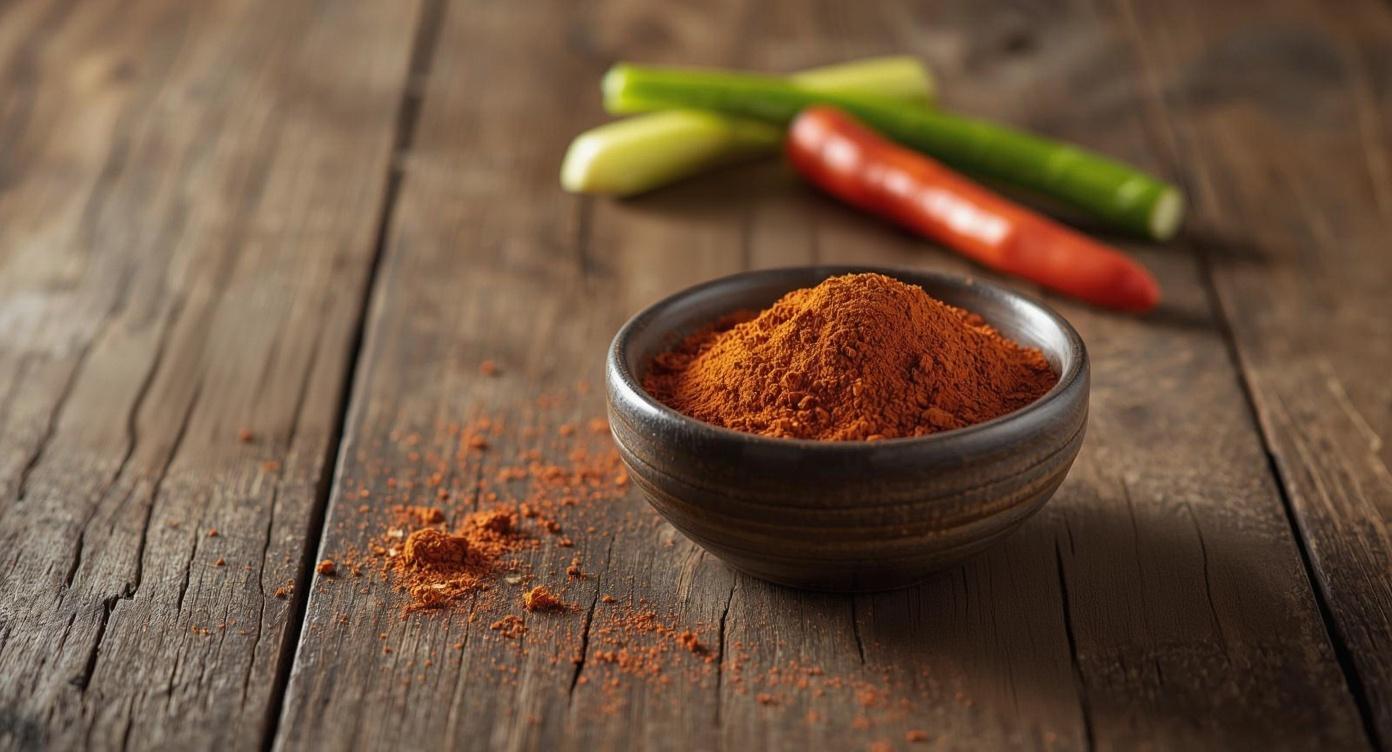
Home-Made Chilli Powder Dip – Pure Heat Made at Home
There is something beautifully honest about chilli powder made from nothing but toasted dried chillies. No oil, no garlic, no preservatives. Just fire, aroma and the layered flavour of one of the world's most treasured spices. In Sichuan, this kind of chilli powder is not just a pantry staple. It is a daily condiment, an expression of regional identity and a key ingredient in every serious home cook's repertoire.
While many associate Sichuan cuisine with hot oil and numbing peppercorns, this humble chilli powder – often referred to as làjiāo miàn (辣椒面) in Mandarin – is just as central. It is used as a dry dip, sprinkled over grilled meats, added to dipping sauces, or stirred into noodle dishes. When made fresh at home, its flavour and aroma are more vibrant and layered than anything store-bought.
Why Make Chilli Powder at Home
Most commercial chilli powders are blends. They often include salt, preservatives or added colour, and while they are convenient, they rarely deliver the freshness or punch of a homemade version.
Making chilli powder yourself gives you full control. You can choose the type of dried chillies, adjust the heat level, decide how fine or coarse the texture should be, and skip any unnecessary additives. The result is a powder that smells smokier, tastes deeper, and stays truer to the essence of chilli.
More importantly, it connects you with a centuries-old tradition of flavour-making, one that continues to evolve in homes across Sichuan and beyond.
How It Is Used in Sichuan Cooking
In Sichuan households, dried chilli powder is a permanent fixture on the table. It might be used as a standalone dip, especially for sticky rice or grilled meats. It also forms the backbone of custom dipping sauces for hot pot, where diners mix their own condiments using sesame oil, soy sauce, garlic and chilli powder.
This dry chilli dip is not diluted with oil or vinegar. It is often eaten as-is, perhaps with a pinch of salt stirred in. The direct contact between chilli powder and food – whether it is a piece of roasted lamb or a deep-fried snack – delivers immediate intensity. Unlike sauces or oils, it clings dryly to the surface, offering heat and texture all at once.
It also shows up as a finishing dust on skewers, fried dumplings, or Sichuan-style flatbreads. The purity of the powder makes it ideal for layering on top of other seasoning.
Choosing the Right Chillies

The flavour, colour and heat of your powder all depend on the dried chillies you choose. In Sichuan, two chillies are commonly used:
- Er Jing Tiao (二荆条) – Long, thin and aromatic with a bright red colour and moderate heat.
- Facing Heaven (朝天椒) – Small and intensely spicy, with a sharp and quick burn.
Outside of China, excellent substitutes include:
- Dried Thai Chillies – Extremely hot and ideal for those who want serious heat.
- Chiles de Árbol – Smoky and moderately spicy, commonly found in Latin American stores.
- Kashmiri Chillies – Mild but rich in colour, great for a well-rounded flavour with visual impact.
Blending a few types gives the best result. For example, mixing Kashmiri with Thai chillies can balance heat with colour and fragrance. This is a common technique in Sichuan kitchens, where chilli powder is carefully adjusted based on dish or season.
How to Use It as a Dip
Once made, home-made chilli powder can be used in a variety of ways. The most traditional is as a dry dip – simply placed in a small dish for diners to dip into directly.
- Grilled meats: Lamb, chicken or pork skewers can be dipped straight into the powder.
- Sticky rice: A small pinch of chilli powder with sticky rice offers a satisfying contrast in flavour and texture.
- Fried snacks: Tofu, dumplings or fritters all benefit from a dusting of heat.
- Cucumber slices: Raw vegetables dipped in chilli powder are a popular cooling contrast.
Optionally, some people stir in a splash of lime juice, soy sauce or fish sauce just before serving to turn the powder into a wetter, paste-like dip. This is common when serving with fried or fatty dishes, where the acidity balances the richness.
A Traditional Condiment With Modern Appeal
What makes this chilli powder so appealing is how it transforms with context. It is deeply traditional but incredibly adaptable. You can use it to spice up a stir-fry, flavour a dipping sauce, or bring heat to scrambled eggs. It is suitable for all kinds of modern cooking, but it still carries the soul of Sichuan culinary culture.
It is also naturally free from gluten, oil, sugar and additives. This makes it ideal for people following specific diets, or anyone who simply wants to know exactly what is in their food.
Once you taste the depth of freshly ground toasted chillies, there is no going back. It is not just about spice. It is about aroma, warmth and the earthy complexity that only a single-ingredient condiment can provide.
Chilli Powder Dip FAQ
What is Sichuan chilli powder used for?
Is this chilli powder the same as chilli flakes or Western-style chilli powder?
Can I make this without a spice grinder?
What kind of chillies should I use?
How do you best store it?
Easy Recipe
Chilli Powder Dip
Make your own Sichuan-style chilli powder dip at home using only dried chillies. Simple, spicy and full of bold flavour.
Watch the recipe video
Ingredients
- 10 –15 dried red chillies (Thai, Arbol, or Kashmiri for rich colour and heat)
- A pinch of salt (optional, to bring out the natural flavours)
Instructions
- Heat a dry skillet or wok over medium heat. Toast the chillies for 1–2 minutes, turning constantly. You want them to release their aroma and slightly darken — but don’t let them burn.
- Transfer the chillies to a plate and let them cool for a few minutes before grinding.
- Once cooled, remove the stems. If you prefer a milder dip, discard some or all of the seeds. Want it hotter? Keep the seeds in.
- Use a spice grinder, blender, or mortar and pestle to grind the chillies into a powder. Texture is up to you — go fine for a dust-like coating or leave it coarse for a more rustic dip.
- Serve dry, as-is, alongside grilled meats, sticky rice, or fried snacks.
Estimated nutrition per serving
Approximate values based on the listed ingredients. Actual values vary by product and portion size.



Comments
Join the conversation
Thoughts, swaps, and serving ideas are welcome.